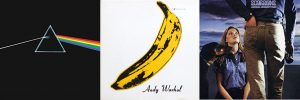
 There has always been a lot of emphasis on album cover art – and why not? Visuals are often as an important part of the band’s image as the music contained within. Some album covers have become as iconic as the music (Pink Floyd – Dark Side of the Moon), some far more famous than the music inside (The Velvet Underground & Nico) and some are interesting but make absolutely no sense (Scorpions – Animal Magnetism).
That said, at the risk of sounding like a crabby-ass old hermit, the golden age of classic album art is gone. Sure, album art websites try to convince us to believe that Katy Perry, Amy Winehouse and Lady Gaga album covers rank among the greats; trust me, they don’t. It’s all over but the crying, so let’s visit a few album covers that have some connection to something else. Or not.
Pink Floyd and Cinderella
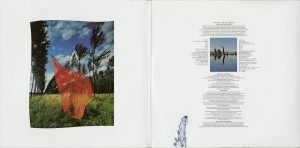
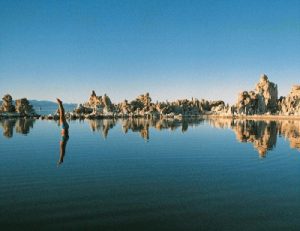
Actually, the image in question isn’t the cover – it’s found inside the gatefold of the Floyd’s 1975 opus, Wish You Were Here. The front, as we all know, is the man shaking hands with the burning man, taken at a studio lot in California. It was designed by Storm Thorgerson, who along with Aubrey Powell founded Hipgnosis, who created a bunch of covers for quirky British bands – T. Rex, The Nice and UFO – before hitting pay dirt with the aforementioned Pink Floyd, which brought their work into the spotlight. (And then started attracting more mainstream bands – Led Zeppelin, Bad Company and Styx, among others.)
But come back inside to see a small picture of a man diving into a strange-looking body of water without causing ripples. (It was actually a shot of a man performing an underwater handstand.) Though no location was given, the shot took place in California’s Mono Lake, which is inland, quite close to the Nevada border. Mono Lake is in an endorheic basin (that’s for all the geology geeks out there) that produces high levels of salt and alkaline. Its distinctive (and prehistoric-looking) limestone tufa towers are its most iconic feature.
But Floyd’s album isn’t the only time Mono Lake turned up in the rock world; cue 1988, a time when big-hair pop/metal/rock bands roamed the earth. Cinderella’s “Don’t Know What You Got (Till It’s Gone)” (#12 on US Hot 100) used Mono Lake as the backdrop for its video of the song; once again, the tufa towers prominent. Not sure how many viewers recognized the location from their crazy uncle’s vinyl collection.
The Beach Boys and The Carpenters
In America, if you were young and bursting with musical talent in the early/mid 1960s, it seemed that California (particularly Los Angeles) was the place to be. Some were fortunate to be born and raised there (The Beach Boys), while others (The Carpenters) migrated from the much more-dreary city of New Haven, CT. (At least they weren’t from Meriden – a little Connecticut humor for you!) No matter, everybody was out there having fun, in the warm California sun.
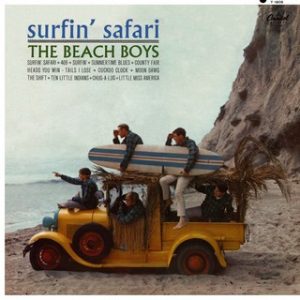
Although they weren’t the first to combine surfing and rock, The Beach Boys got the nation amped on the idea of riding some tasty waves. (Even though drummer Dennis Wilson was the only member who actually hung ten.) Therefore, it was a natural that their album covers would feature America’s band with surfboards and a woodie. (Take your mind out of the gutter – according to the lord of knowledge – Wikipedia – a woodie is a car body style with rear bodywork constructed of wood framework with infill wood panels.) So, it makes all the sense in the world that cover of The Beach Boys debut album (called LPs in those days), Surfin’ Safari, was taken in a hot surfing spot, Paradise Cove.

In 1970, when pop duo The Carpenters were recording their sophomore effort, Close to You, a quick cover shot was required. It was so rushed, that in fact, the band had to get back to the recording studio that night to continue recording the album named after its #1 hit title track. Quick fix – they took a jaunt down to Lunada Bay (close to Paradise Cove – though maybe not by L.A. standards) for the cover shot for the duo’s first hit album. Oddly enough, they didn’t look worse for the wear considering they traversed the rugged the trail down to the water.
Lunada Bay was also in the news this decade: Its notorious local “surf gang” claimed exclusive use of its legendary waves, keeping outsiders out by threats and intimidation: Throwing rocks at interlopers, slashing the tires of outsiders and ganging up on those who did manage to get their boards in the water. The battle rages on.
Chicago and Wilco (with a little help from Sly and the Family Stone thrown in for good measure)
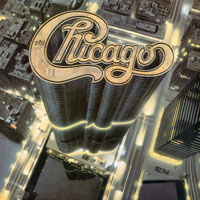
A Chicago landmark has been used by two bands – Chicago and Wilco. Aside from that fact that both bands were formed in The Windy City, there is little else they have in common. Wilco, the Jeff Tweety-fronted band, formed from the ashes of an early critical favorite (but commercially unsuccessful) band, the alt-country (the fact that I’m even typing “alt-country” makes me sound like a douchebag hipster) Uncle Tupelo (which itself was a product of another failure, The Primitives). That’s all I can say about Wilco.
OK, another thing Chicago and Wilco have in common – someday Wilco will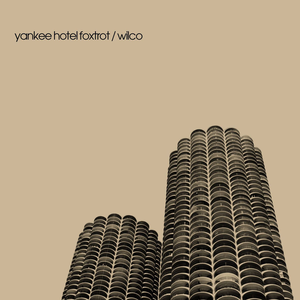 join their horny homeboys in the vaunted Rock and Roll Hall of Fame. That’s because Wilco is a critic’s wet dream – especially in light of their Yankee Foxtrot Hotel tale. (Google it, please.) That said, they are the absolute dreariest band ever – they make Radiohead (another critic’s darling) sound like Slayer.
Whatever. Anyway, the cover of the aforementioned YHF album features the towers of Marina City in Chicago. The same set of towers was used (with artistic liberty) on Chicago’s 13, the band’s, well, 13th album. Thirteen was an unlucky number for Chicago, as it sold poorly and spawning no hit singles. Peter Frampton lookalike Guitarist Donnie Dacus, who had the daunting task of taking over for the late Terry Kath, either quit or was fired after the release of the album. (Chicago’s next album, XIV, was even a bigger flop – so bad that the band got booted off their record label, but that’s a story for another time.)
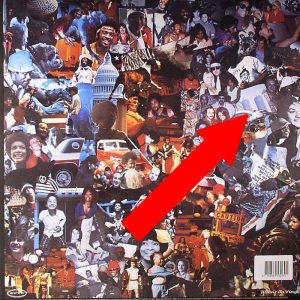 Bonus fact! The Marina City towers appear in the collage on the back of Sly and the Family Stone’s 1971 album There’s A Riot Goin’ On. Where have you gone, Sylvester?
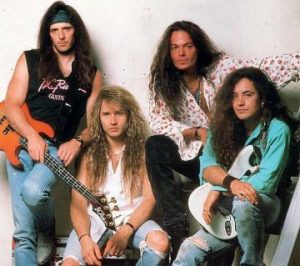
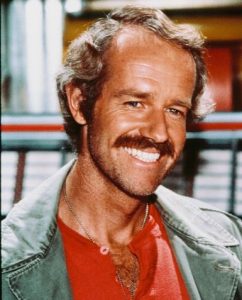
 Why he failed: If Foreigner’s history was any indication, Lou Gramm bailing wouldn’t derail the band; there were some personnel changes that lopped a couple of deadwood members off, and in a case of addition by subtraction, the band became more successful than ever. Besides, guitarist Mick Jones helped produce 5150, the album where David Lee Roth was replaced by Sammy Hagar. That looked easy and worked out well – what could possibly go wrong?
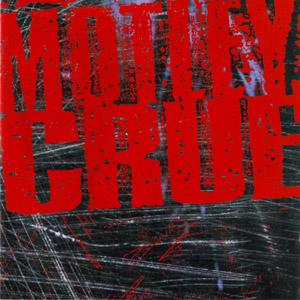 Why he failed: Probably more of a case of bad timing than anything else. Vince Neil’s departure came at a strange time. The band had recently released Decade of Decadence, its follow-up to its #1 Dr. Feelgood, as well as signing a huge new contract with Electra. The replacement? Former Scream (who?) frontman John Corabi.
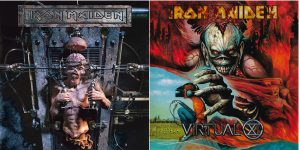 Why he failed: Along with Judas Priest’s Rob Halford, Iron Maiden’s Bruce Dickenson is one of the rare, top-tier metal vocalists. How do you replace him? You don’t. But unlike Priest, who went with a Halford vocal clone, Maiden took another route altogether; they replaced “the air raid siren” with a singer whose tone was closer to Type O Negative territory than anything that resembled the legacy of Maiden’s golden decade.
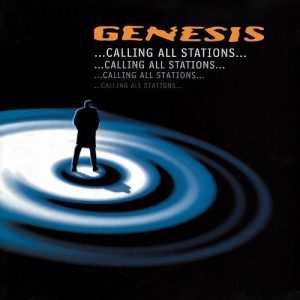 Phil Collins was a ubiquitous force in the 1980s. Despite not being the most dynamic vocalist, his voice, drums and production work ruled the decade. Between Genesis, solo work, sideman and his production efforts (Eric Clapton, Frida, Phillip Bailey, et al), he’s sold close to 200 million albums. 200 million. So, it’s no wonder, when he gave his two weeks notice with Genesis, it would be damn near impossible to replace him. Really, it would have to be TWO replacement players, as Phil also served as Genesis’ drummer.
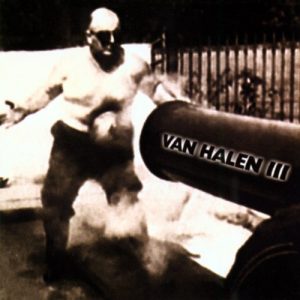 Unlike Foreigner, Crue, Maiden and Genesis, Van Halen brought in a replacement that was already famous with his previous band, Extreme. (Worked for VH the first time, right?) Noted for 1991’s atrociously wimpy #1, “More Than Words,” Extreme had a B-list rock band career of its own until it imploded following its failed Waiting For The Punchline album and tour in 1995.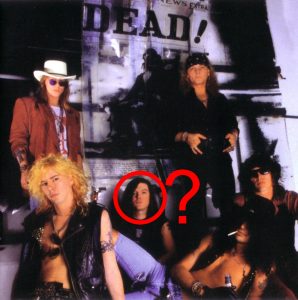
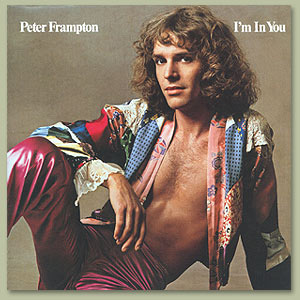 Peter Frampton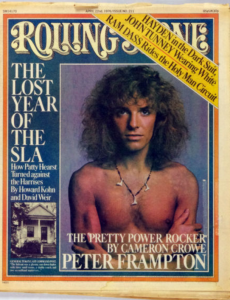
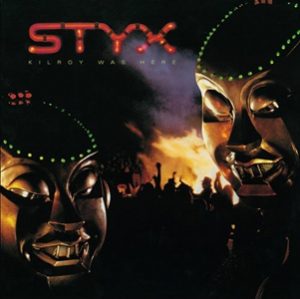 Styx
Styx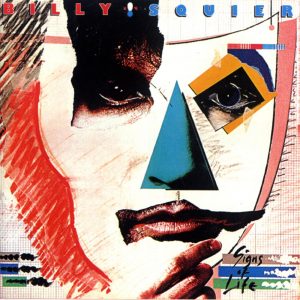 Billy Squier
 Ric Ocasek
 Elliot Easton
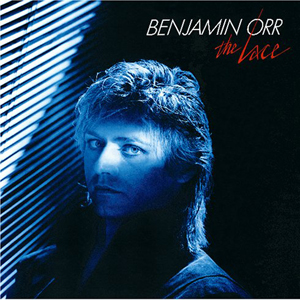 Benjamin Orr
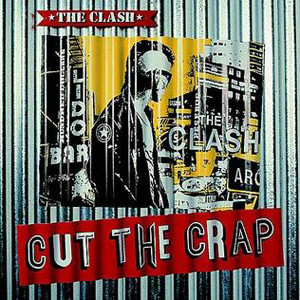 In rock history, no punk band stayed to their principles from inception to arena status, except for The Clash. Up until 1982, that is. After releasing four albums that (cliché alert – yuck!) pushed the envelope of what was acceptable in the framework of punk rock, the band managed the impossible balancing act (a feat up there with pulling off “friends with benefits”) with the release of Combat Rock: Being a commercially successful punk rock band that stayed true to its original ideals.
 No band pushed itself harder for success than Long Island’s Twisted Sister. Working every New York/New Jersey/Connecticut club and dump five nights a week, the band punched the clock for more than 2000 gigs before even signing a record deal. (Reference point: Led Zeppelin performed less than 700 times in its twelve-year career!) It took seven long years of steady gigging from vocalist Dee Snider’s debut in 1976 until the band’s first stateside release, 1983’s You Can’t Stop Rock ‘n’ Roll.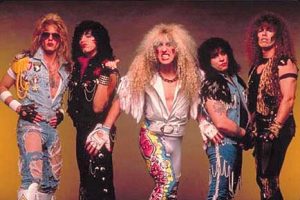
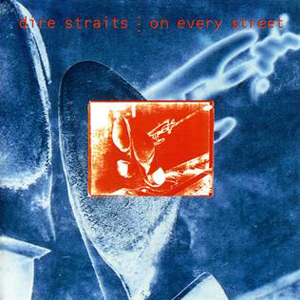 Dire Straits hit it big from the word go – its 1978 eponymous debut album and single “Sultans of Swing” were able to somehow fit in an era filled with punk, stadium rock and disco, all while sounding nothing like any of those genres. But its sophomore album suffered from the “Pretenders II conundrum” – not as commercially successful as the debut, and fans were divided whether it was a masterpiece or dog. Same with its third album; by then, Dire Straits had become a cult act, no hit singles and suffering from declining sales.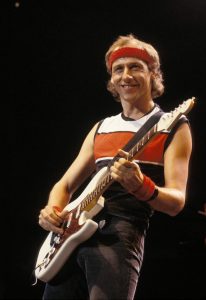

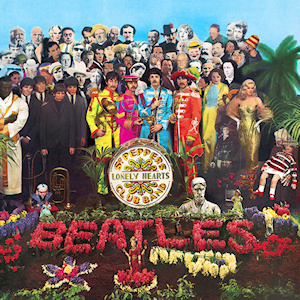 “A Day In The Life”
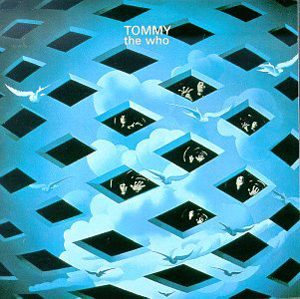 “We’re Not Gonna Take It/See Me, Feel Me”
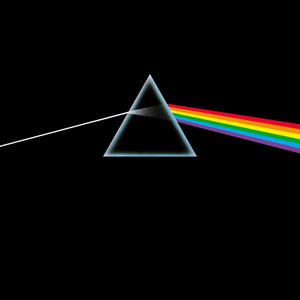 “Brain Damage/Eclipse”
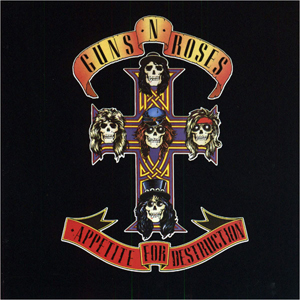 “Rocket Queen”
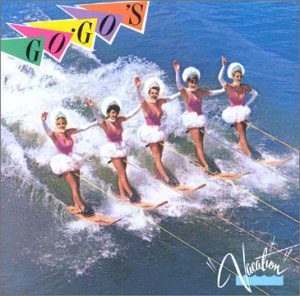
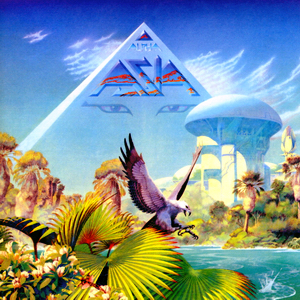


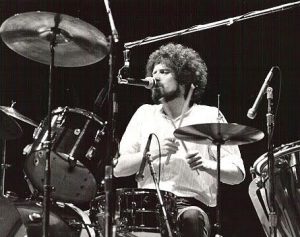
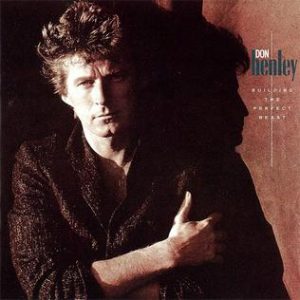 Serving as both drummer and (quite often) lead vocalist for the Eagles, Don Henley was already a known quantity when he released his first post-Eagles album in 1982. Although I Can’t Stand Still was moderately successful, it was 1984’s Building The Perfect Beast (and its lead single and video “The Boys Of Summer”) that made him a solo superstar.
 Garbage was the result of three Midwest studio geeks paired with Shirley Manson, a fiery Scottish vocalist. Paying their dues with the commercially unsuccessful bands Spooner, Goodbye Mr. MacKenzie, Fire Town and Angelfish, Manson (yup, that’s her real last name) and company hit the big time with the release of their debut, 1995’s Garbage.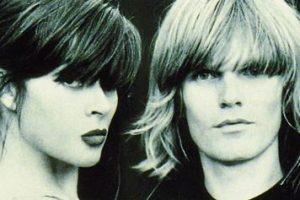
 The Divinyls – a band from Australia – were regulars on college radio and MTV’s 120 Minutes for their first three albums (1983’s Desperate, 1985’s What A Life! and 1988’s Temperamental), but were not able to break through to the mainstream. (Maybe they were a little too edgy for middle America, but that’s just my guess.) Whatever the reason, they spent most of the 1980s trapped in cult status.